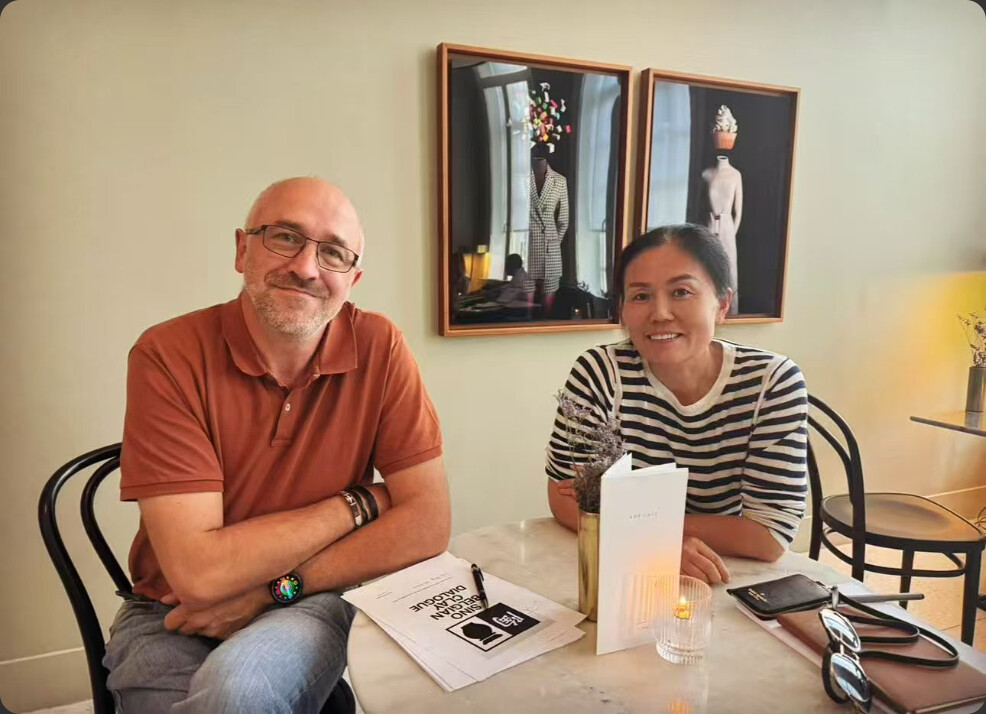
Europe ↔ China
Rooted in place. Shared across systems.
A cultural research and public practice platform connecting materials, craftsmanship and local knowledge with contemporary life.
Culture · Materials · Knowledge
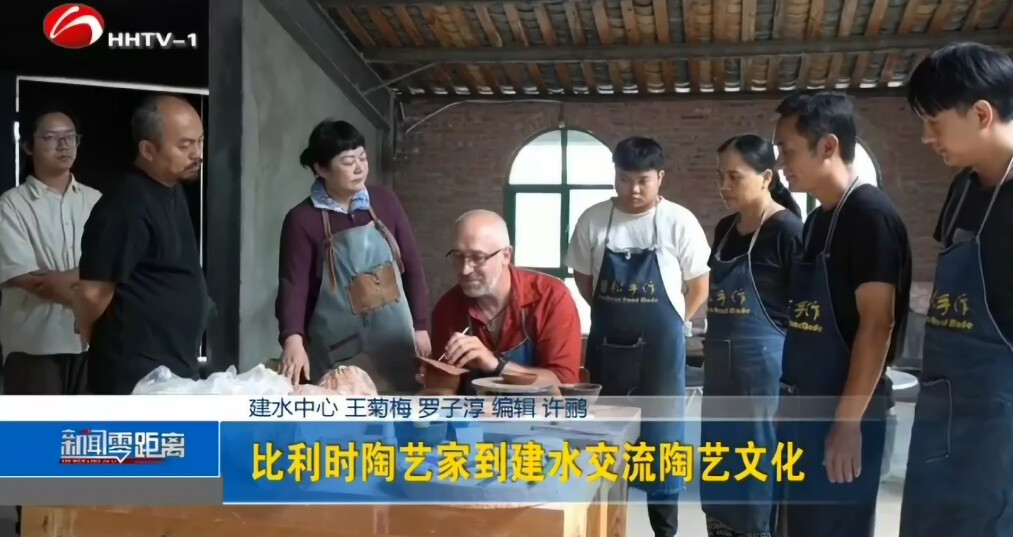
A cultural research and public practice platform connecting materials, craftsmanship and local knowledge with contemporary life.
Klei en Vuur explores how materials, craftsmanship, local knowledge and ways of living can be understood, preserved and reactivated across different societies. Through research, archives, residencies, education, exhibitions and place-based collaboration, it transforms locally rooted knowledge into shared cultural resources for contemporary life.
Culture is not a symbol. It is a living system.
We begin with the contexts that give materials and practices meaning: place, memory, people and use. The purpose is not simply to preserve knowledge, but to make it available for contemporary life without stripping away its roots.
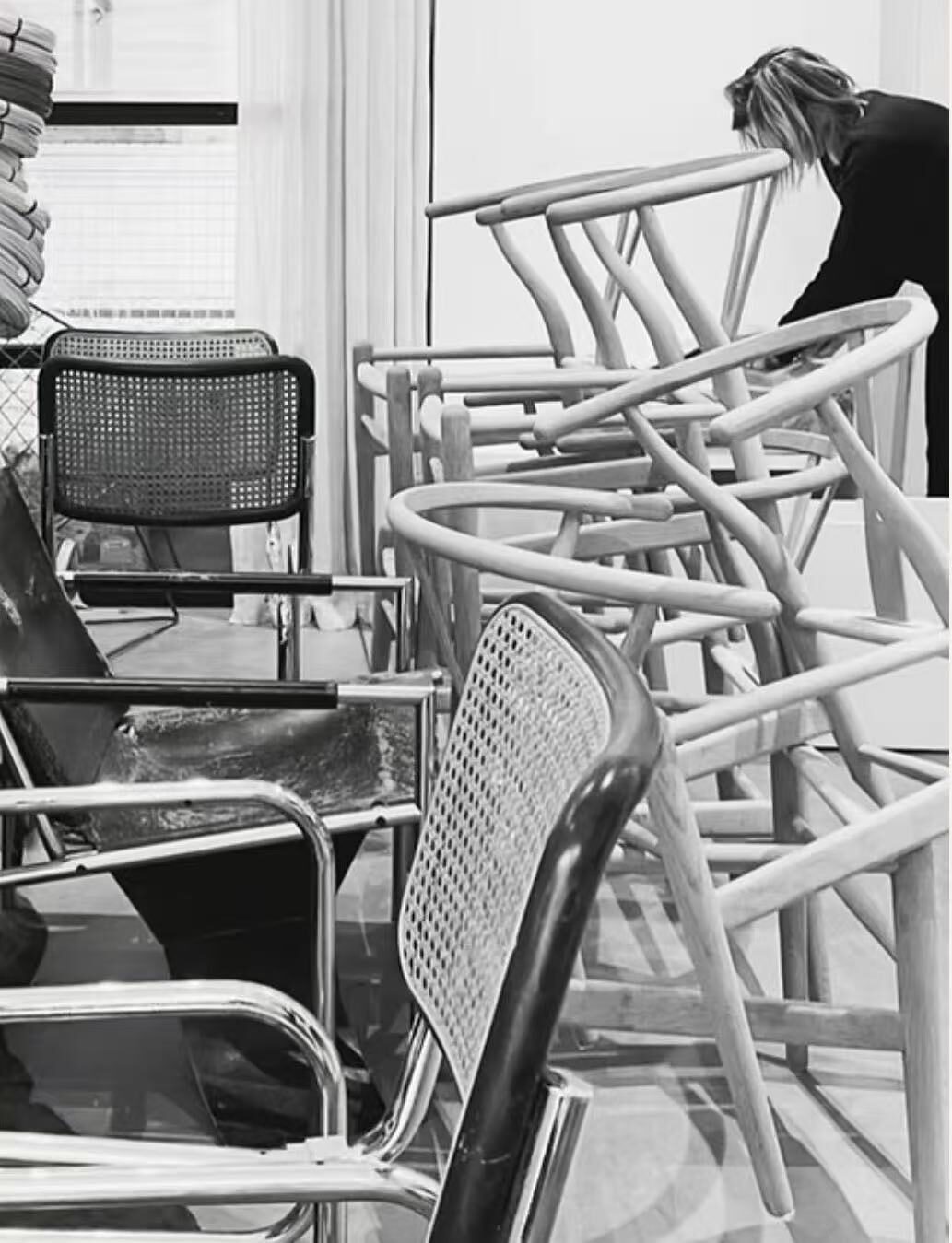
When materials, crafts and ways of living move between societies, they can easily be reduced to products, decoration or cultural symbols.
Identify overlooked materials, practices, memories and practitioner knowledge.
Build understanding without detaching knowledge from its original context.
Reconnect inherited knowledge with design, education, public life and the next generation.
Begin with a specific place, material, person and lived practice.
Understand what knowledge means when it crosses cultural and institutional contexts.
Bring it into dialogue with contemporary design, education and public life.
Trace materials back to their places, makers, techniques and social histories.
Bring residents, designers, researchers, schools and institutions together around real questions of everyday life.
Exchange is structured to leave knowledge behind: an archive, a reflection, a prototype and a public outcome.
Research becomes accessible through exhibitions, journals, archives, oral histories and educational tools.
Trace materials back to their places, makers, techniques and social histories, then connect that knowledge with contemporary design and education.
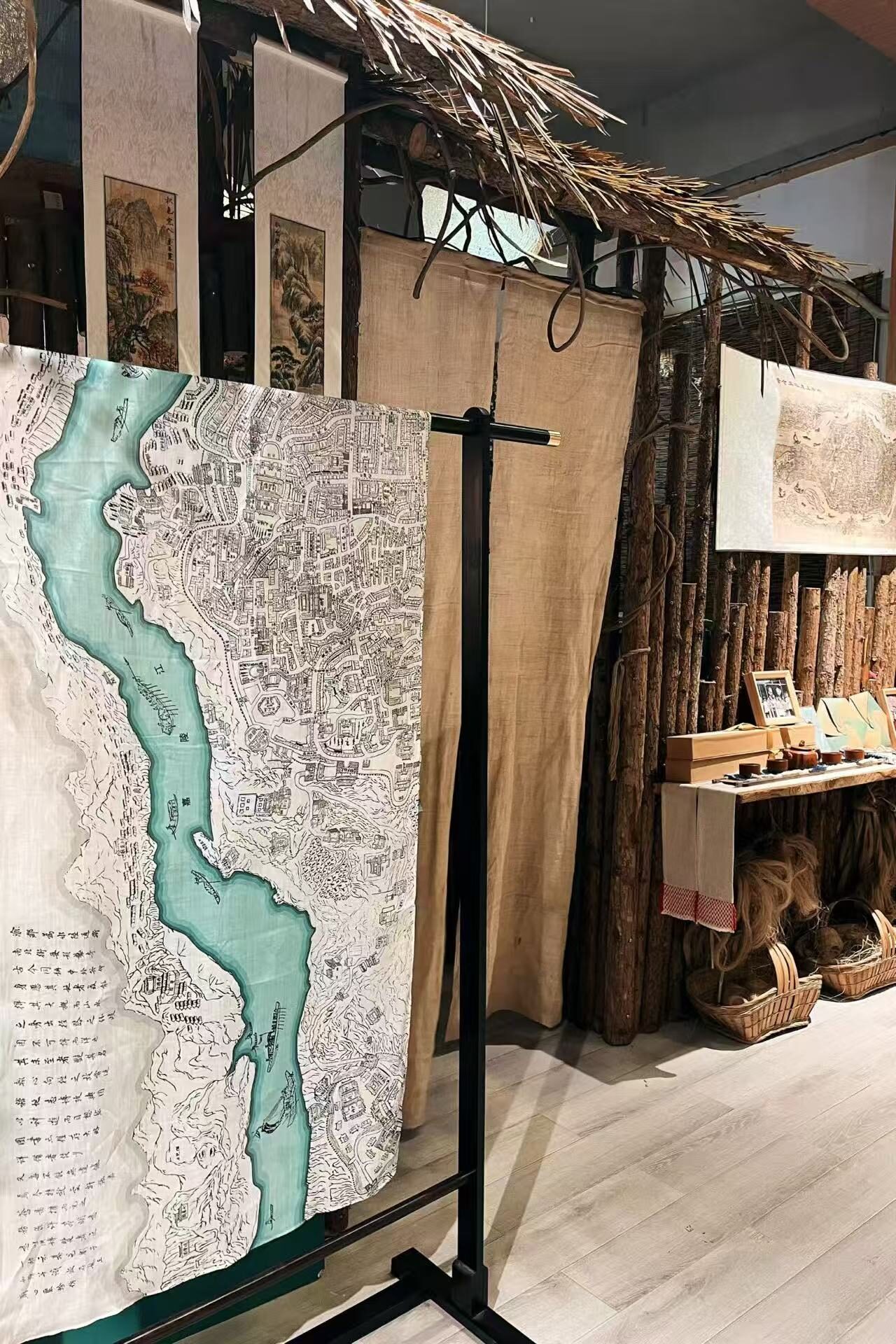
Bring residents, designers, researchers, schools and public institutions together around real questions of everyday life.
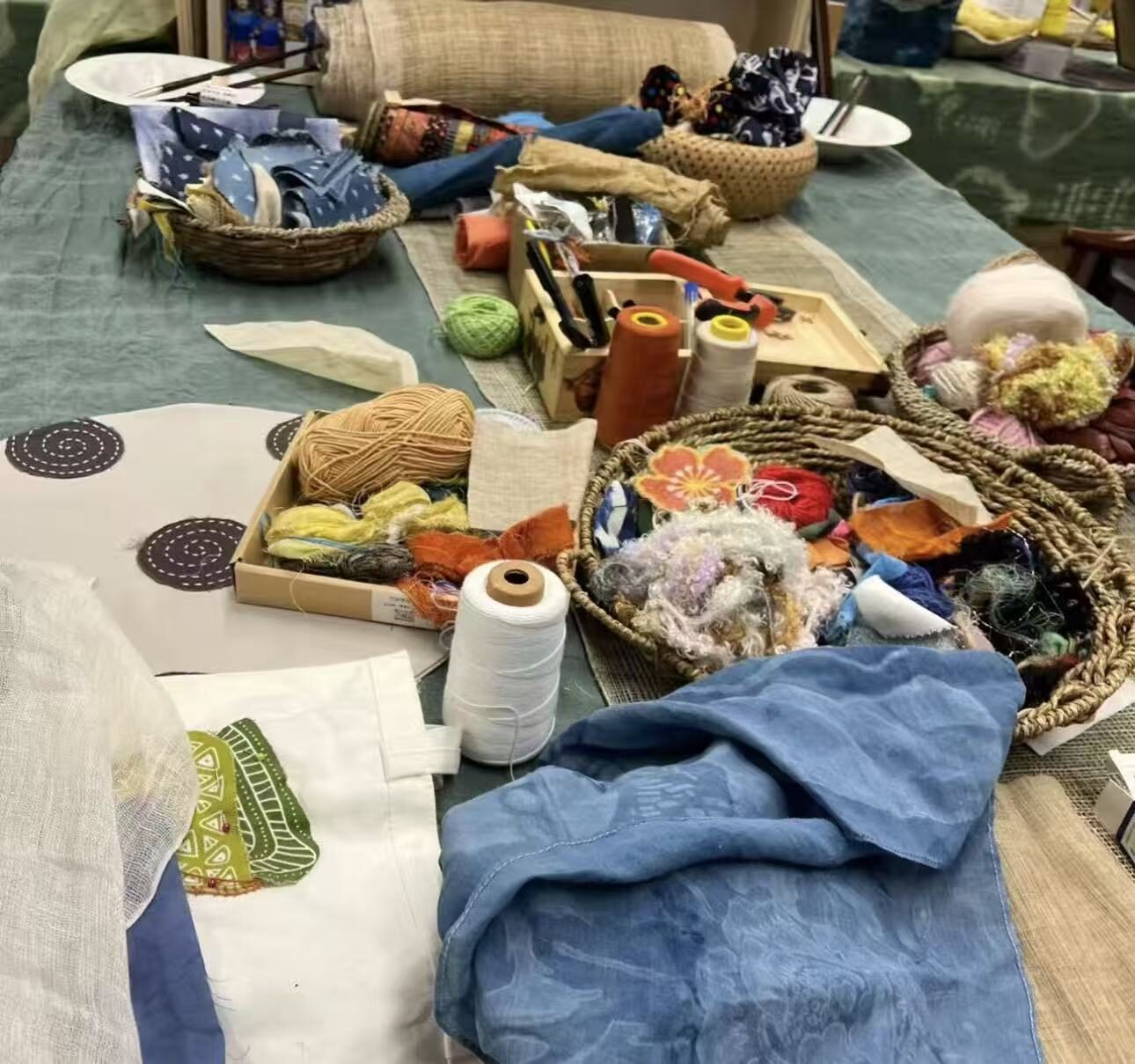
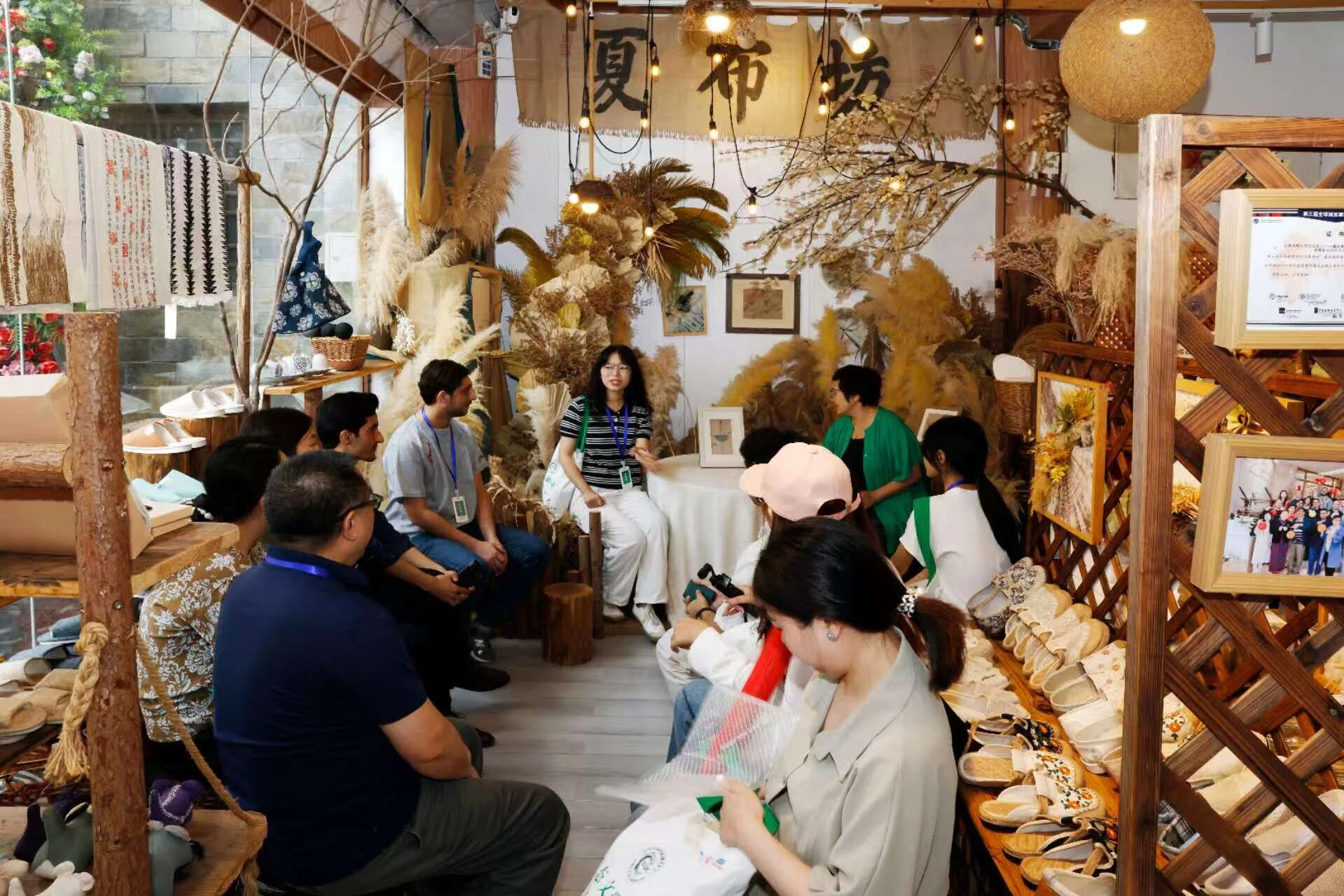
Tracing the origins, techniques and risk of disappearance of local materials from Rongchang, Chongqing — including ramie textile (夏布), ceramics and other place-based crafts, and connecting that knowledge with contemporary design and education.
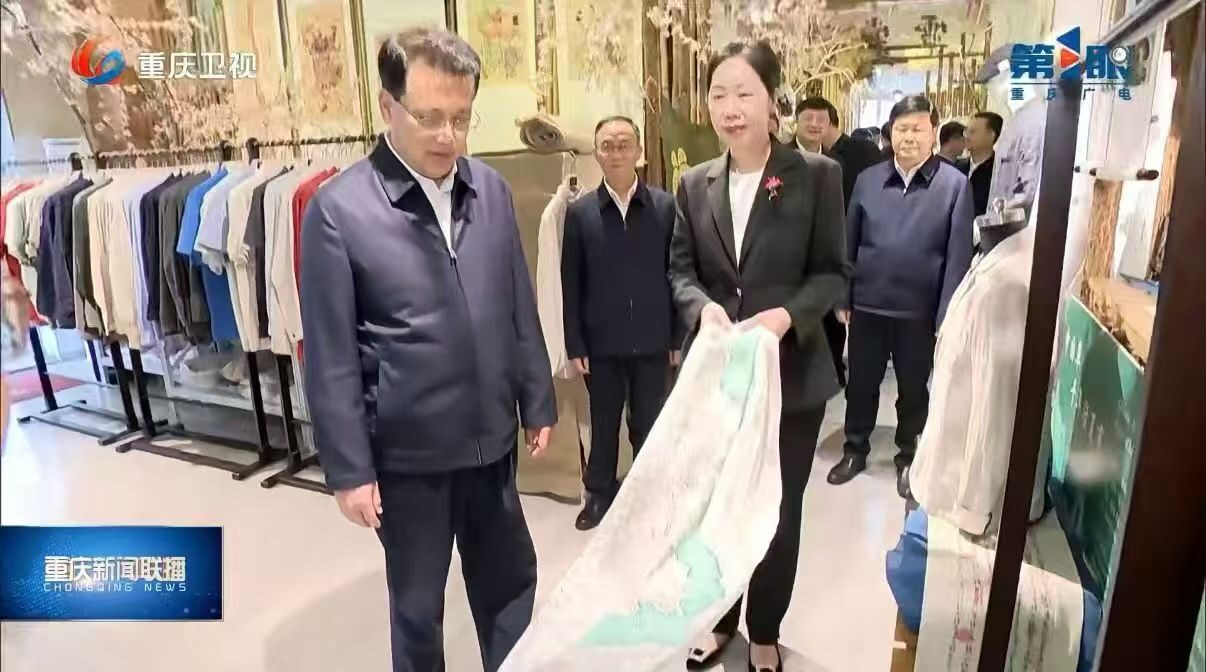
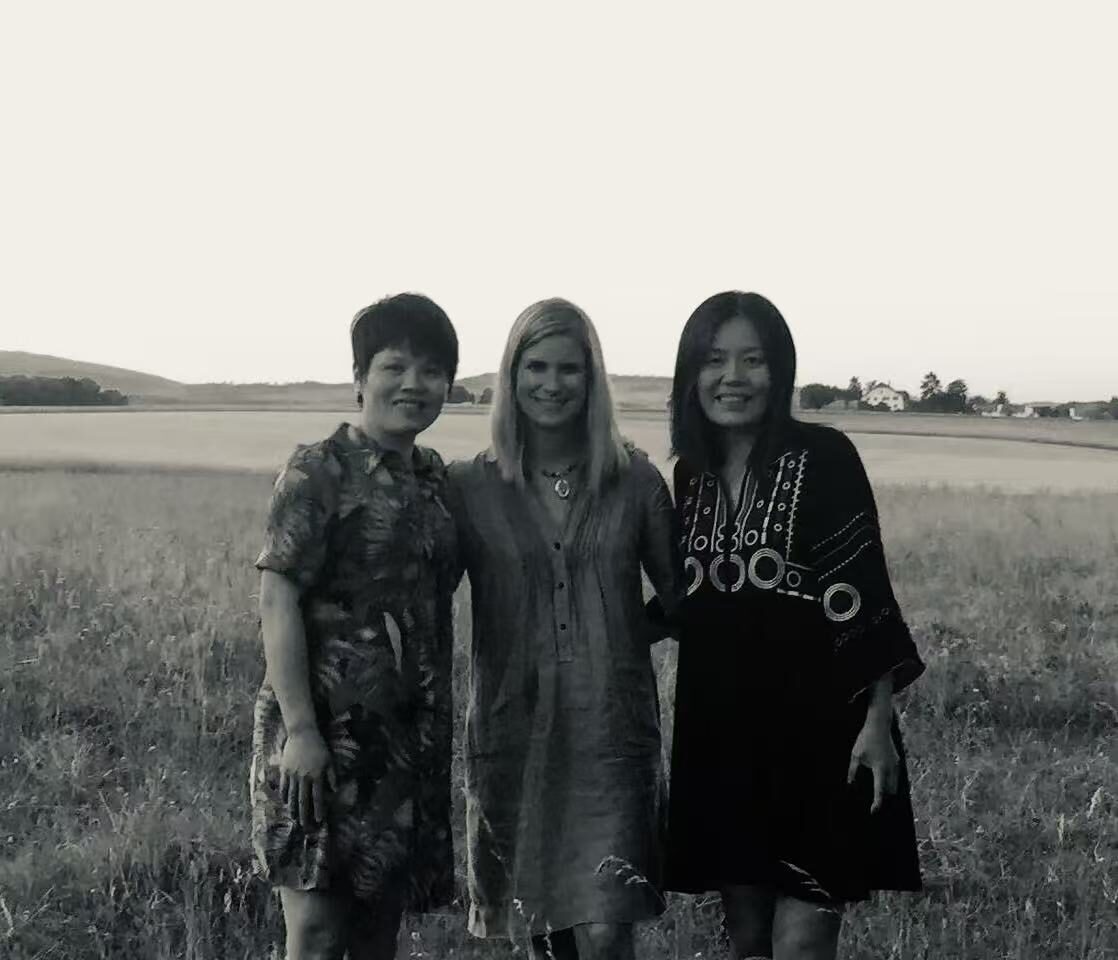
We welcome conversations with cultural institutions, universities, museums, designers, craftspeople, communities and public partners who value context, reciprocity and long-term cultural work.
Start the Conversation →